Start with the site, then the objects
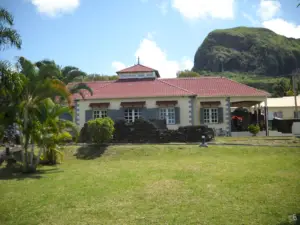
The Frederik Hendrik Museum interprets the Vieux Grand Port historic site in southeast Mauritius. It is a useful stop for travellers interested in how the island’s settlement history connects to a particular landscape. The museum and the remains outside should be approached together: the displays explain a place whose story is not always obvious from a wall or foundation alone. Allow time for a short introduction before walking around, rather than arriving only for a photograph and leaving without understanding what you are looking at.
Distinguish Dutch and French layers
The Museums Council describes Dutch settlement here from 1638 and subsequent French occupation. It also makes an important distinction: the structures visible above ground are French, built over the earlier Dutch fort site. That helps prevent a common misunderstanding when looking at the ruins. Use the interpretation to separate the periods, and ask which features are identified archaeologically. A site with several phases becomes much more interesting when you recognise that the visible remains are only one layer of the story, rather than assuming everything dates from the first settlement.
Give archaeology time to become meaningful
The museum uses finds and interpretation to explain life at the site. With children, choose an everyday object and ask what it can reveal about cooking, building or work. Adults may enjoy comparing what a written account says with what survives materially. There is no need to turn the outing into a detailed history examination; understanding one change in occupation or one ordinary activity can be enough. Avoid climbing, touching loose material or treating a low wall as a seat unless the site expressly permits it.
Plan for both indoor and outdoor areas
The Council publishes free admission and a schedule that includes shorter Sunday hours, with public holidays closed. Verify current opening before travelling, especially if combining it with another museum. Allow one to one and a half hours as an editorial estimate, with sun protection, water and shoes suitable for outdoor ground. Ask about accessible paths, surfaces and facilities beforehand if mobility is limited. Rain can change how comfortably you explore the remains, so be willing to spend more time with the interpretation and less outside when conditions call for it.
Keep your history day in the southeast
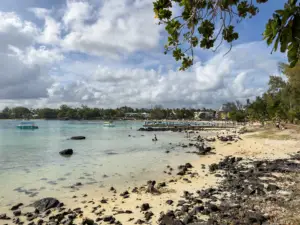
Vieux Grand Port can be combined with a separate Mahébourg visit, but do not assume the National History Museum is open: its own Council page currently carries a renovation closure notice. A waterfront walk or the town itself can provide a practical alternative after confirming conditions. For another kind of regional outing, look at Blue Bay Marine Park and plan that activity independently. Browse things to do for bookable experiences, keeping museum stops, admission and transfers explicit in your schedule rather than assuming they come with a wider tour.